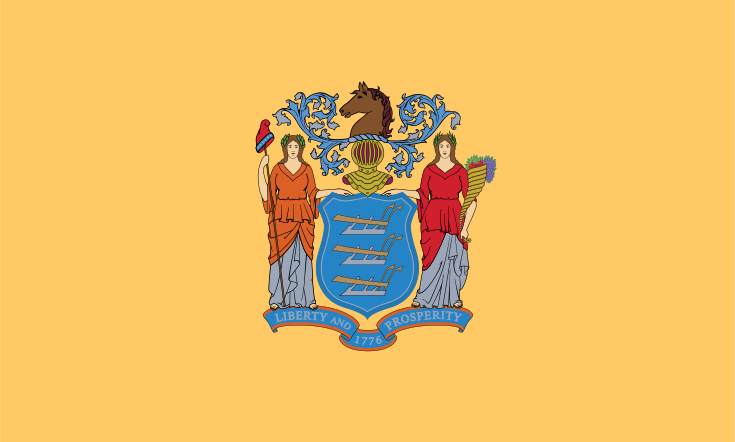
 New Jersey
Bill would restrict federal officers and active-duty troops near polls
Federal law enforcement officers and active-duty troops would generally be barred from standing or staying within 100 feet of polling places and ballot drop boxes in use during elections.
What it does
Federal law enforcement officers and active-duty troops would generally be barred within 100 feet of polling places during elections. Exceptions would cover voting, nearby homes, helping voters, and certain safety responses.
At ballot drop boxes in use during elections, federal officers and active-duty troops would face a 100-foot distance rule. Exceptions would cover voting, nearby homes, helping voters, and certain safety responses.
Argument forKeeping federal officers and active-duty troops farther from voting sites could help voters who feel intimidated cast their ballots more comfortably.
Argument againstFederal officers could have less freedom to stay nearby as a precaution, since polling-place safety exceptions require an existing problem.
More detail
Federal law enforcement officers and active-duty military members would generally be barred from standing or remaining within 100 feet of polling places. The restriction would apply during elections and include New Jersey National Guard members on active-duty orders. They could vote, access their homes, or escort someone needing help. Law enforcement officers could answer requests about existing emergencies, suspected crimes, or disturbances, staying only as long as needed. The governor could send Guard members to protect access from threats, but they could not interfere with voters. The rules would take effect immediately if the bill becomes law.
Federal law enforcement officers and military members on active-duty orders would generally be barred from standing or remaining within 100 feet of ballot drop boxes. The restriction would cover drop boxes in use during an election and include National Guard members on active-duty orders. They could vote, access their homes, or escort someone needing help. Exceptions would allow responses to disturbances or requests for help. The governor could send New Jersey National Guard members when threats could block voter access, but they could not interfere with voters. The rules would take effect immediately if the bill becomes law.
Where do you stand?
Choose your position
Tell your reps
Take a position to see your representatives and ways to contact them.
Where it stands
- Introduced
- Passed 1st Chamber
- Passed 2nd Chamber
- To Governor
- Became Law
Looking ahead
No hearings or votes scheduled.
History
- 2026
- Oct 19Introduced, 1st Reading without Reference, 2nd ReadingIntroduced
Civil Rights & VotingPublic Safety