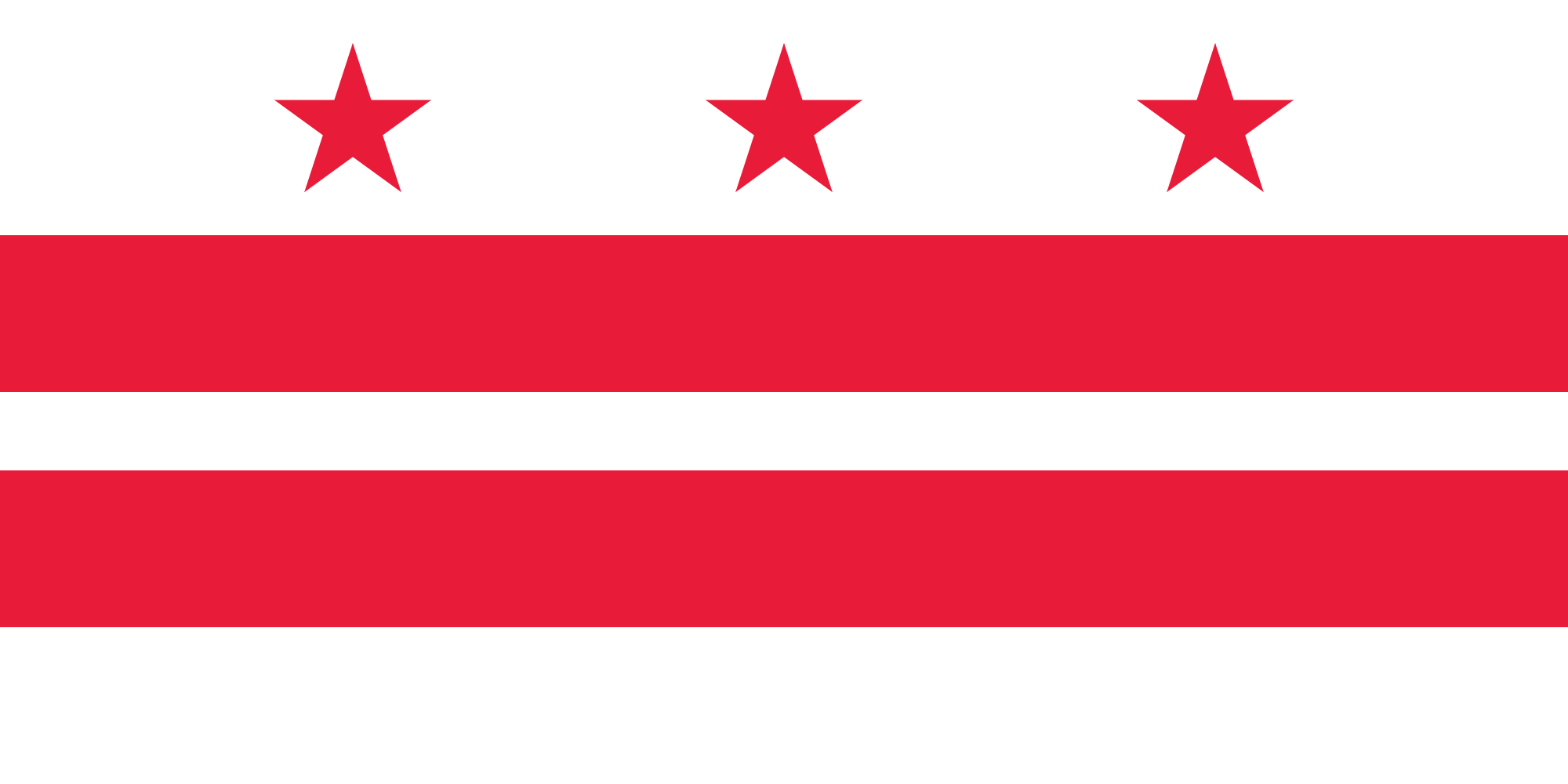
 District of Columbia
Duke District properties would pay taxes after mayoral approval
If the proposal becomes law and the Mayor approves the district's formation, its taxes would start April 1, 2027.
What it does
The Mayor could approve a Duke Business Improvement District covering a fixed list of lots. Covered taxable properties would begin paying district taxes on April 1, 2027.
Most value-based categories would pay 14 cents per $100 of assessed value. Hotels and properties charged by unit or building use would pay set amounts, and rates could rise 5% yearly.
The board would include members for Howard University and a local performance venue or cultural institution. The district would receive matching parking-fund money only when funds are available.
Argument forClear boundaries and stated rates could help covered property owners understand whether they are included and estimate what they would owe.
Argument againstRequired taxes and allowed 5% yearly increases could raise costs for covered property owners, lessees, and land users.
More detail
The Mayor could approve a Duke Business Improvement District, a special district that would charge taxes to covered properties. It would cover only the listed tax lots as they exist when the section takes effect, and later lot changes would not alter the boundary. Formation would require the Mayor's review and approval under referenced sections 6 and 7. Taxes would apply from the half tax year beginning April 1, 2027, until the underlying law expires or the district ends, whichever comes first. The act must first complete mayoral action, congressional review, and publication.
Covered properties would pay district taxes based on assessed value, rooms, units, or use for religious worship. The 14-cent rate would cover Class 2 properties other than hotels, Class 3 properties, and surface parking. Hotels would pay $120 per room, and Class 1A or 1B properties would pay $110 per unit. Units reserved by income under a federal or District affordable housing program would pay $10 each, capped at $1,500 per building. A building or part used mainly for religious worship or services would pay $100. Lessees or users of tax-exempt land under a ground lease would pay based on the building and their rights to or use of the land. Rates could rise 5% annually if section 8(b)'s requirements are met. The $120 hotel or motel charge would apply annually.
The district would set board representation for Howard University and a local cultural institution, and receive matching money from a parking fund when available. The board would include at least one member for Howard University and at least one for a performance venue or other cultural institution inside the district. An empty required board seat would not violate the law. Matching money would depend on available funds, and the Chief Financial Officer would decide its form and payment schedule.
Where do you stand?
Choose your position
Tell your reps
Take a position to see your representatives and ways to contact them.
Where it stands
- Introduced
- Passed 1st Chamber
- Passed 2nd Chamber
- To Governor
- Became Law
Looking ahead
- 2026
- Nov 12Public Hearing on B26-0855
History
- 2026
- Oct 23Notice of Public Hearing Published in the District of Columbia RegisterLatest
- Oct 20Notice of Public Hearing filed in the Office of Secretary by Committee of the Whole, Subcommittee on Local Business DevelopmentMinor
- Oct 20Referred to Committee on Committee of the Whole, Subcommittee on Local Business Development, and Committee of the WholeMinor
- Oct 16Notice of Intent to Act on B26-0855 Published in the District of Columbia Register
- Oct 6B26-0855 Introduced by Councilmember Nadeau at Office of the SecretaryIntroduced
Taxes & BudgetHousingPublic Safety