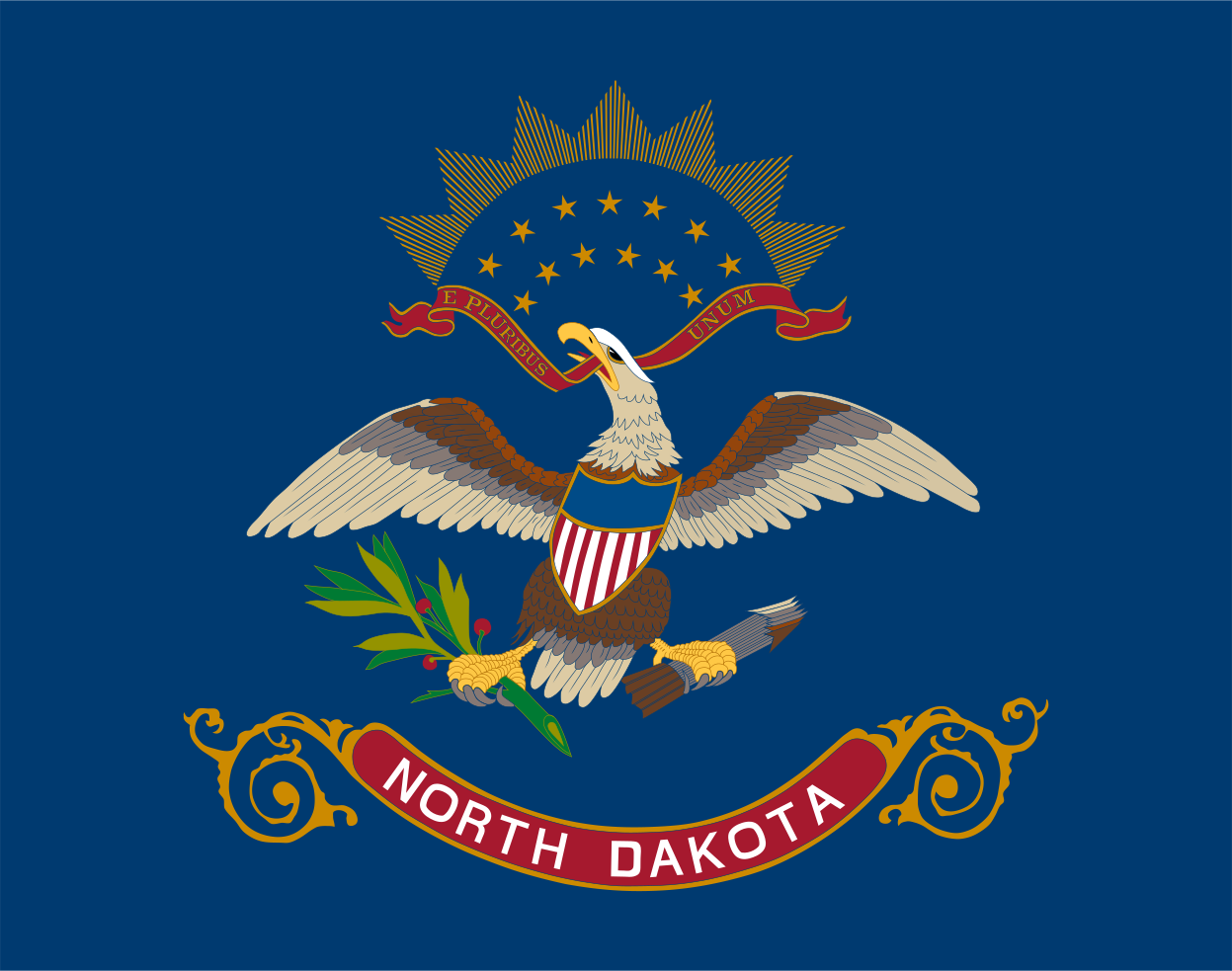
 North Dakota
Police must report suspected harassing false reports to county prosecutors
On-duty police officers must alert the county prosecutor when they have reasonable grounds to suspect someone made a harassing false report about another person.
What it does
On-duty police officers must notify the county prosecutor when they have reasonable grounds to suspect someone made a harassing false report about another person to police or a public safety emergency official.
Knowingly giving police false information that could disrupt an investigation or seriously mislead them is a class A misdemeanor. The same applies to knowingly false reports of violent crimes or other incidents calling for an emergency response.
Argument forRequiring officers to notify prosecutors could help people targeted by harassing false reports get those reports reviewed for possible criminal charges.
Argument againstEven with reasonable grounds, required referrals could put people under a prosecutor’s scrutiny before anyone proves they made a harassing false report.
More detail
On-duty police officers must report suspected harassing false reports to the county prosecutor. The duty covers false reports about another person made to police or public officials responsible for handling public safety emergencies. The officer must have probable cause, meaning reasonable grounds, to suspect someone made the false report in a harassing way. The officer must notify the prosecutor in the county where the violation occurs.
The law treats these knowingly false reports as class A misdemeanors, a category of criminal offense. The emergency-report rule covers reports to police or public officials responsible for handling public safety emergencies. False information or reports given to police must be known to be false and could interfere with an investigation or seriously mislead an officer. For a false emergency report, the person must know the reported violent crime or other incident calling for an emergency response did not occur.
Where do you stand?
Choose your position
Tell your reps
Take a position to see your representatives and ways to contact them.
Where it stands
- Introduced
- Passed House
- Passed Senate
- To Governor
- Became Law
Looking ahead
No hearings or votes scheduled.
History
- 2025
- Apr 21Filed with Secretary Of State 04/16Latest
- Apr 18Signed by Governor Kelly Armstrong 04/16Became Law
- Apr 15Sent to GovernorTo Governor
- Apr 15Signed by Speaker
- Apr 14Signed by President
- Apr 9Second reading, passed, yeas 79 nays 12Major
- Vote recorded Motion for Final Passage on HB 1194. Result: pass.Lower
- Apr 9Concurred
- Apr 4Returned to House (12)
- Apr 3Second reading, passed as amended, yeas 47 nays 0Passed Senate
- Vote recorded Motion for Final Passage on HB 1194. Result: pass.Upper
- Apr 3Amendment adopted, placed on calendar
- Apr 2Reported back amended, do pass, amendment placed on calendar 7 0 0Minor
- Mar 11Committee Hearing 02:30
- Feb 13Introduced, first reading, referred Judiciary CommitteeMinor
- Feb 10Received from House
- Feb 7Second reading, passed, yeas 77 nays 13Passed House
- Vote recorded Motion for Final Passage on HB 1194. Result: pass.Lower
- Feb 6Amendment adopted, placed on calendar
- Feb 5Reported back amended, do pass, amendment placed on calendar 9 5 0Minor
- Feb 3Committee Hearing 10:30
- Jan 10Introduced, first reading, referred Judiciary CommitteeIntroduced
Criminal JusticePublic Safety