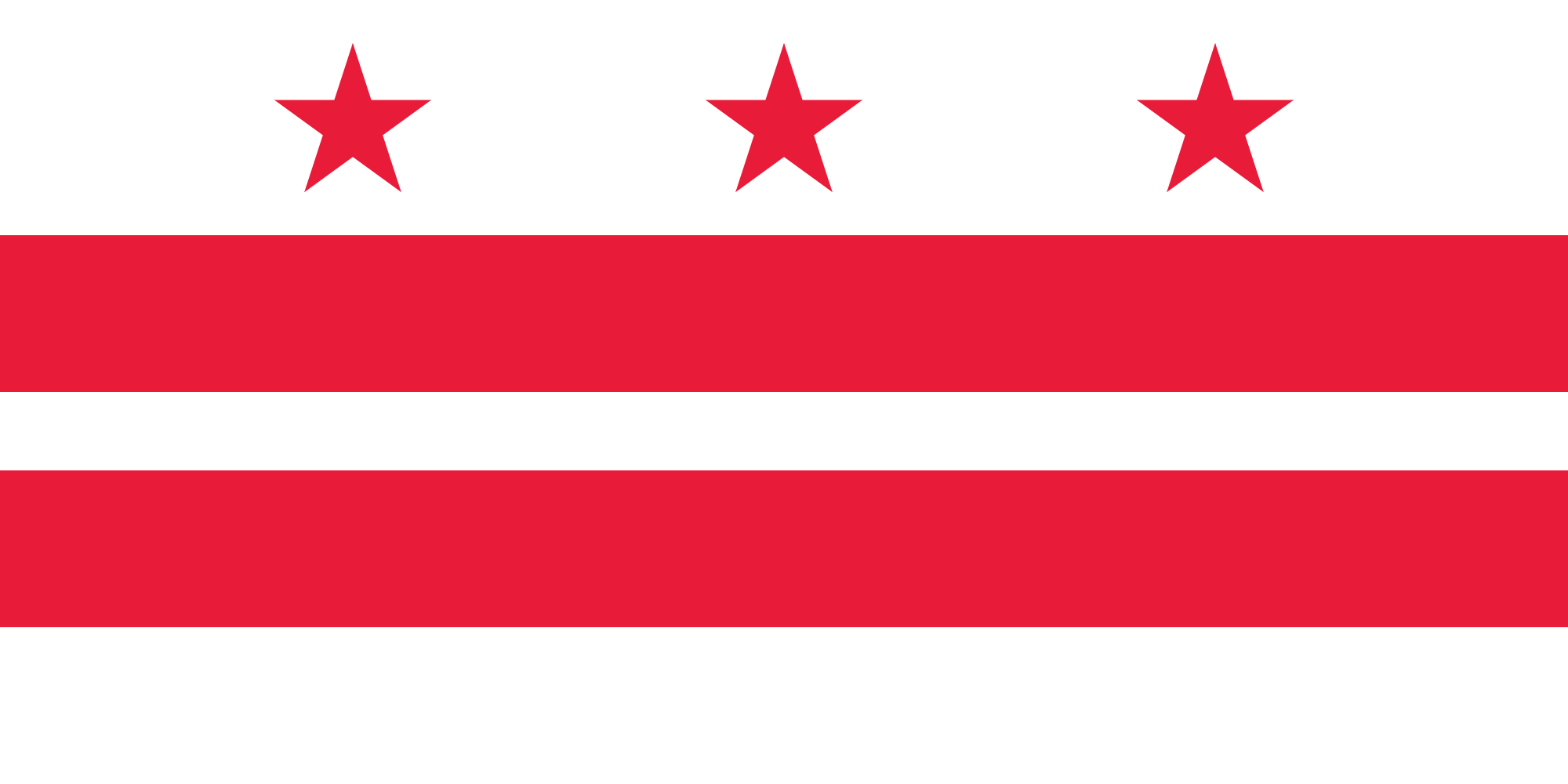
 District of Columbia
D.C. ballot initiatives would need one subject and cost disclosures
D.C. initiatives would face public review and financial disclosure rules after mayoral approval or a veto override and a 30-day congressional review period.
What it does
D.C. election officials would reject a proposed ballot initiative if it covers more than one subject. Parts count as separate subjects if voters could judge them independently.
Initiative petition sheets and ballots would include a budget summary. If funding falls short, it would state how much extra money D.C. needs.
Election officials would publish initiative proposals, sponsors’ campaign contribution reports, and public comments online. They would accept or reject initiatives at public meetings.
Registered D.C. voters could challenge an initiative’s acceptance in court, and sponsors could challenge rejection. Challenges would be due 30 calendar days after publication in the city’s official register.
Argument forShowing budget estimates on petitions and ballots could help D.C. residents weigh an initiative’s costs before signing or voting.
Argument againstInitiative sponsors could have to split proposals into separate measures when election officials decide voters can judge their parts independently.
More detail
The D.C. Board of Elections would reject proposed ballot initiatives that address more than one subject. The rule would cover ballot initiatives, which let residents propose laws by petition. Parts count as separate subjects when voters can reasonably judge each part without referring to the others.
Election officials would include a budget summary on initiative petition sheets and ballots. Cost estimates would cover the first four fiscal years the initiative is in effect. When funding is insufficient, the summary would give the extra money needed in the first year and over the four-year financial plan.
The Board of Elections would publish proposals and campaign contribution reports, accept public comments, and decide whether to accept initiatives at public meetings. The board would accept comments online as well as through other means. Public comments would stay on the board’s website for at least three years. The decision meeting would take place at least 30 days and no more than 60 days after the board receives the initiative.
Registered D.C. voters and initiative sponsors could ask D.C. Superior Court to review the election board’s acceptance or rejection decisions. Registered D.C. voters could challenge acceptance; the people who submitted an initiative could challenge rejection. Challenges could begin when the decision appears on the board’s website and would be due no more than 30 calendar days after publication in the D.C. Register.
Where do you stand?
Choose your position
Tell your reps
Take a position to see your representatives and ways to contact them.
Where it stands
- Introduced
- Passed 1st Chamber
- Passed 2nd Chamber
- To Governor
- Became Law
Looking ahead
No hearings or votes scheduled.
History
- 2026
- Oct 26Transmitted to Mayor, Response Due on Nov 09, 2026To Governor
- Oct 6Final ReadingMinor
- Vote recorded Amendment (Bonds). Result: pass.Legislature
- Vote recorded Final Reading. Result: pass.Legislature
- Oct 6Amendment (Bonds)Minor
- Sep 22First ReadingMinor
- Vote recorded First Reading. Result: pass.Legislature
- Vote recorded Oral Amendment (Allen). Result: pass.Legislature
- Vote recorded Amendment in the Nature of a Substitute (Bonds). Result: pass.Legislature
- Sep 22Oral Amendment (Allen)Minor
- Sep 22Amendment in the Nature of a Substitute (Bonds)Major
- Jul 14Agendized; not considered at the request of CM Bonds
- Jul 14Amendment (Mendelson)Minor
- Jul 8Committee Mark-up of B26-0436 by the Executive Administration and Labor Committee
- 2025
- Dec 5Public Hearing on B26-0436 View Public Hearing Record
- Nov 14Notice of Public Hearing Published in the District of Columbia Register
- Nov 12Revised Notice of Public Hearing filed in the Office of Secretary by Executive Administration and LaborMinor
- Oct 24Notice of Intent to Act on B26-0436 Published in the District of Columbia Register
- Oct 21Referred to Committee on Executive Administration and LaborMinor
- Oct 17B26-0436 Introduced by Councilmember Bonds at Office of the SecretaryIntroduced
Civil Rights & VotingGovernment & Ethics