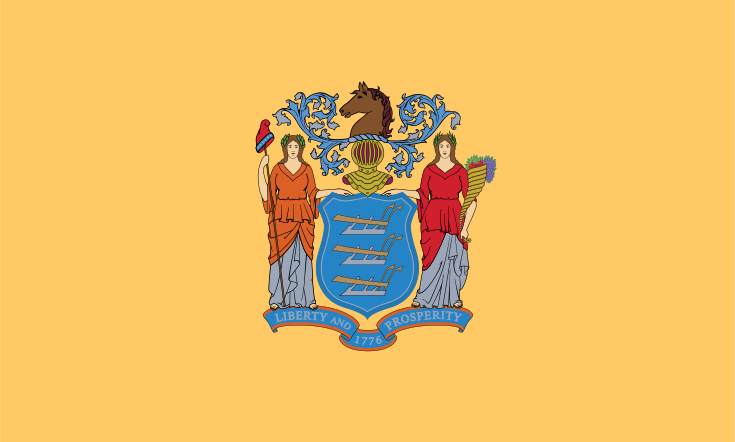
 New Jersey
 would limit library e-book and audiobook contract terms
If enacted, New Jersey would limit what e-book and digital audiobook sellers can charge libraries and how contracts can restrict lending.
What it does
New library e-book and audiobook contracts would bar prices above what the public pays. Per-loan fees would be allowed only when substantially cheaper than buying the item outright.
New contracts could not restrict libraries’ routine digital lending or private preservation copies. Loan-count or license-length limits would require a permanent-use option without those limits, at a price both sides consider fair.
New contracts could not block libraries from sharing terms with other public libraries, state lawmakers, and the attorney general. Contracts could not require, pressure, or enable libraries to break existing privacy rules.
Argument forPrice limits could help libraries stretch book budgets by blocking charges above public prices and limiting per-loan fees.
Argument againstPublishers could have less flexibility to offer limited-term licenses because they would also need a permanent-use option at an agreed price.
More detail
Library contracts could not set prices above public prices or cap license purchases once the same item is publicly available. Covered libraries would include local public libraries, the State Library, school libraries, and libraries at public colleges and universities. Per-loan fees would be allowed only when substantially cheaper than buying the item outright. If enacted, these rules would apply immediately to contracts entered into on or after the law takes effect.
Contracts could not restrict routine lending, library-set loan periods, necessary lending security tools, private preservation copies, or loans between libraries. These protections would cover public libraries’ e-books and digital audiobooks. Loan-count or license-length limits would require a permanent-use option without those limits, at a price both sides agree is reasonable and fair. Contracts could not limit online readings or artwork displays in ways that reduce their educational value compared with use at a library. If enacted, these protections would cover contracts entered into on or after the law takes effect.
Contracts could not block specified sharing of terms or require, pressure, or enable libraries to break existing rules protecting users’ records. Protected sharing would cover other public libraries, state lawmakers, and the attorney general. Libraries, borrowers, and the attorney general could bring a case under state consumer fraud law. Licensing contracts with banned terms and agreements to give up these protections could not be enforced. If enacted, these protections would cover contracts entered into on or after the law takes effect.
Where do you stand?
Choose your position
Tell your reps
Take a position to see your representatives and ways to contact them.
Where it stands
- Introduced
- Passed 1st Chamber
- Passed 2nd Chamber
- To Governor
- Became Law
Looking ahead
No hearings or votes scheduled.
History
- 2026
- Oct 15Reported out of Assembly Committee, 2nd ReadingLatest
- May 7Introduced, Referred to Assembly Education CommitteeIntroduced
EducationConsumer Protection