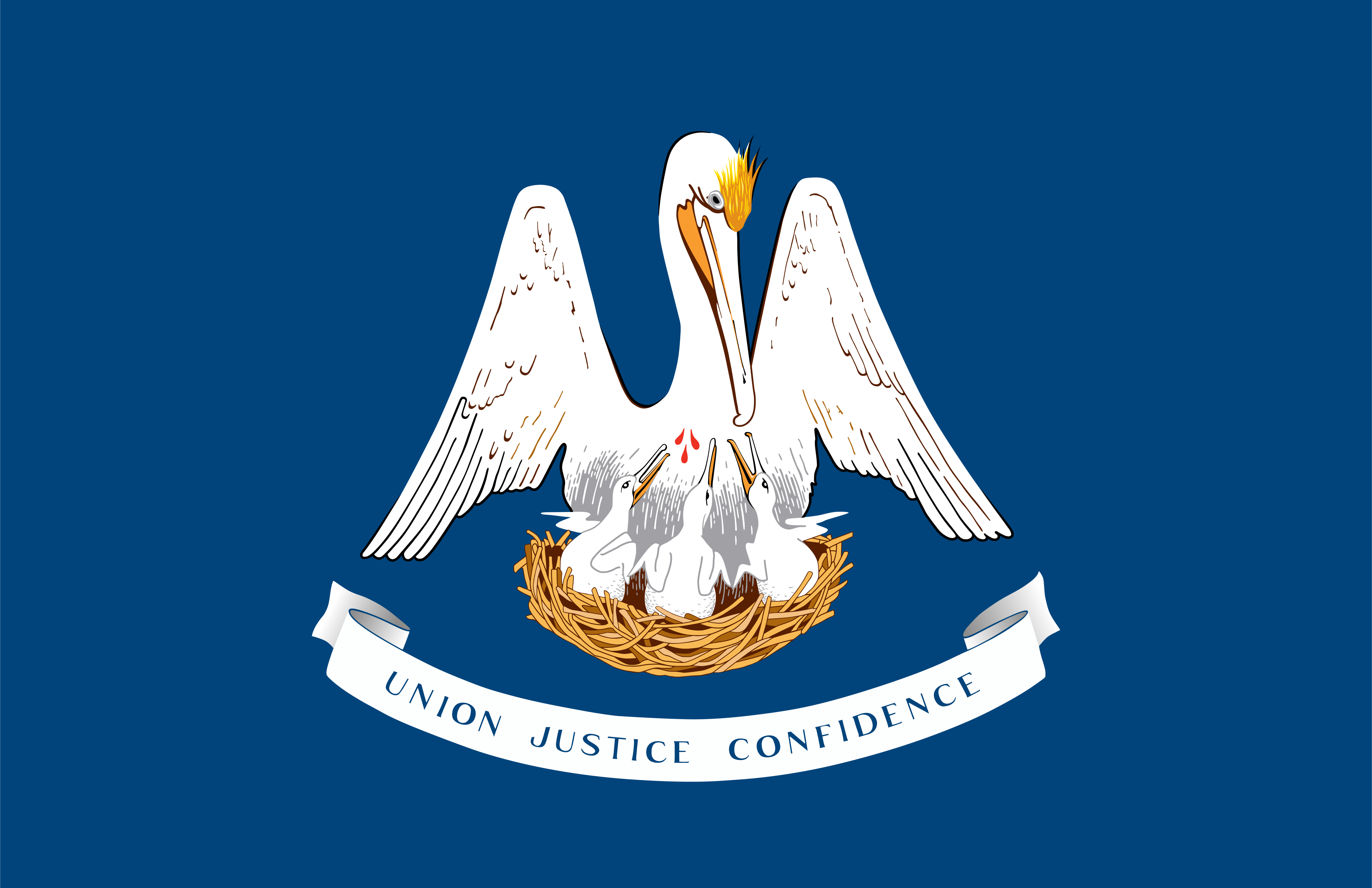
 Louisiana
 law limits sharing of child abuse case records
Louisiana law protects child abuse case information held by centers and investigation teams, while allowing limited sharing and special court review of recorded interviews.
What it does
Case information held by child advocacy centers and investigation teams is protected from public requests and most legal demands, with limited ways to share it.
In custody, civil, and administrative cases, a judge may let each side’s lawyers see a recorded interview after privately reviewing it and issuing a protective order.
Centers and investigation teams must follow written rules for handling case information, limiting sharing to authorized people and permitted purposes.
Argument forChildren and families may have more privacy because centers and investigation teams must limit who can see sensitive case information and why they can see it.
Argument againstPeople in custody, civil, or administrative cases may have less access to case records because most protected information stays private, with special court review allowed for recorded interviews.
More detail
The law protects case information held by child advocacy centers and multidisciplinary investigative teams from public requests, subpoenas, discovery, and disclosure. The rules cover information connected to a child abuse or neglect case that a center or team creates, receives, or keeps. Information may be shared among team members for investigation, assessment, prosecution, and treatment; with a court under a protective order; or as otherwise provided by law. The protections apply only to agencies and people acting under formal multidisciplinary agreements. They do not limit independently obtained evidence, law enforcement authority, or a defendant’s constitutional rights. The protections do not apply to criminal proceedings or proceedings under Titles VI, VII, and VIII of the Louisiana Children’s Code. The law took effect when the governor signed it on June 8, 2026.
A court may allow lawyers to see a recorded forensic interview after reviewing it privately. This applies to forensic interviews in child custody, civil, and administrative proceedings. The court may order disclosure only after its private review, and must issue a written order. Disclosure to the lawyers is subject to a protective order. The law took effect when the governor signed it on June 8, 2026.
Child advocacy centers and multidisciplinary investigative teams must adopt and follow written confidentiality policies. The policies cover information obtained during child abuse and neglect investigations and information kept by child advocacy centers. Team policies must limit sharing to authorized participants for investigation, assessment, prosecution, and treatment. A center’s policy must follow state and federal law, and information may be disclosed only as needed for the center’s purposes. The law took effect when the governor signed it on June 8, 2026.
Where do you stand?
Choose your position
Tell your reps
Take a position to see your representatives and ways to contact them.
Where it stands
- Introduced
- Passed House
- Passed Senate
- To Governor
- Became Law
Looking ahead
No hearings or votes scheduled.
History
- 2026
- Jun 8Signed by the Governor Jeff Landry. Becomes Act No. 870.Became Law
- Jun 8Effective date: 06/08/2026.
- May 28Sent to the Governor for executive approval.To Governor
- May 27Enrolled and signed by the Speaker of the House.Minor
- May 27Signed by the President of the Senate.
- May 26Rules suspended. Read by title, passed by a vote of 37 yeas and 0 nays, and ordered returned to the House. Motion to reconsider tabled.Passed Senate
- Vote recorded FINAL PASSAGE (#1346). Result: pass.Upper
- May 26Received from the Senate without amendments.Minor
- May 25Reported without Legislative Bureau amendments. Read by title and passed to third reading and final passage.Minor
- May 21Read by title and referred to the Legislative Bureau.
- May 20Reported favorably.Minor
- May 7Read second time by title and referred to the Committee on Senate and Governmental Affairs.Minor
- May 6Received in the Senate. Read first time by title and placed on the Calendar for a second reading.Minor
- May 5Read third time by title, amended, roll called on final passage, yeas 95, nays 2. Finally passed, title adopted, ordered to the Senate.Passed House
- Vote recorded FINAL PASSAGE (#880). Result: pass.Lower
- Apr 29Read by title, ordered engrossed, passed to 3rd reading.Minor
- Apr 29Scheduled for floor debate on 05/05/2026.
- Apr 28Reported favorably (12-0).Minor
- Apr 16Read by title, ordered engrossed, recommitted to the Committee on House and Governmental Affairs.
- Apr 15Reported favorably (9-0. To be recommitted to the Committee on House and Governmental Affairs.Minor
- Mar 31Read by title, under the rules, referred to the Committee on Health and Welfare.Minor
- Mar 30Read by title. Lies over under the rules.Introduced
Criminal JusticePublic Safety