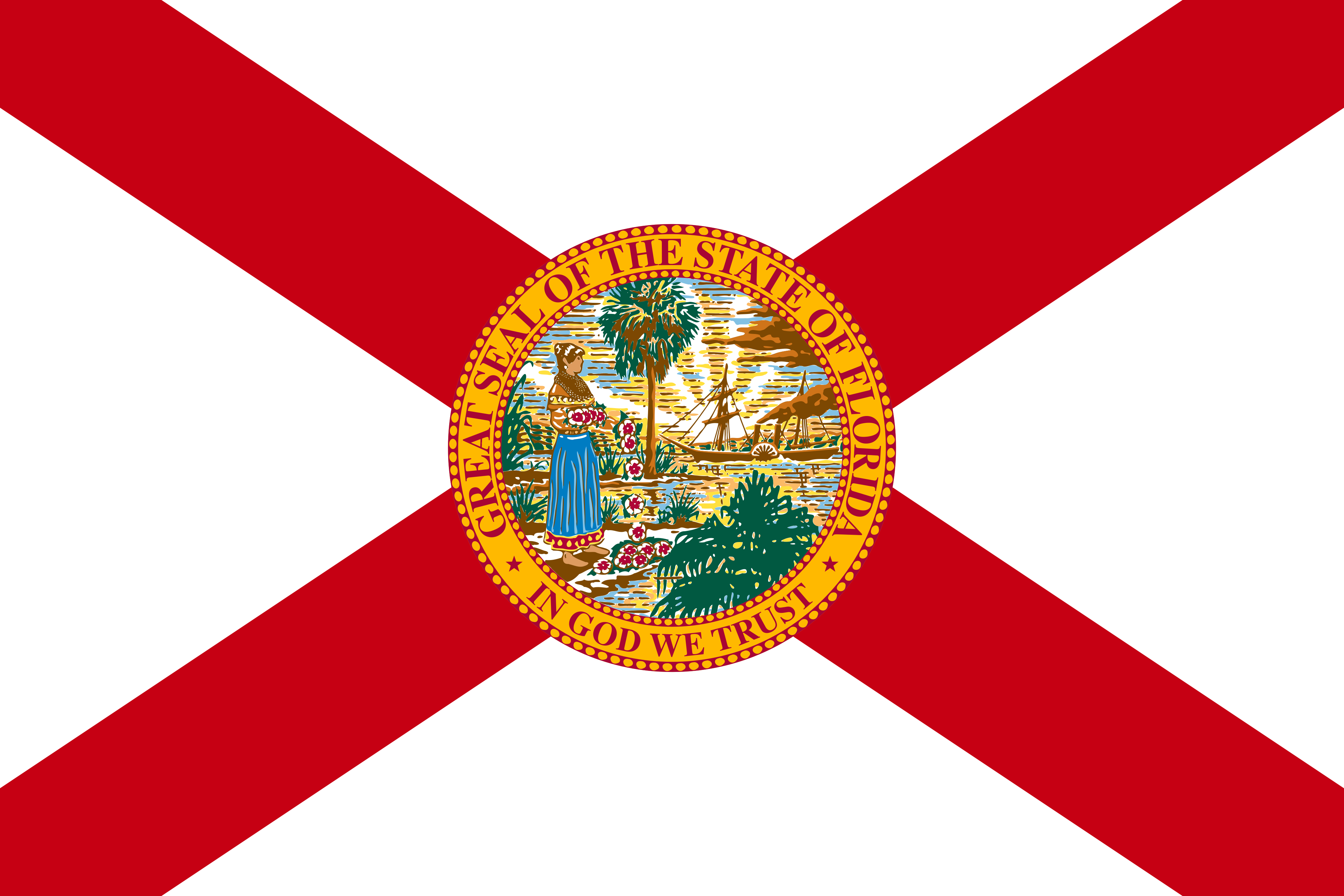
 Florida
 agencies must post conservation land deals before review meetings
Florida land agencies must post parcel details and explanations online at least 30 days before meetings to review conservation land sales or exchanges.
What it does
The Division of State Lands must post conservation land sale or exchange details at least 30 days before review meetings. Notices explain the sale's reasons or the exchange's conservation benefit.
Water management districts must post sale or exchange details at least 30 days before their boards review conservation land deals, including why the land is no longer needed for conservation.
Each parcel in a covered exchange between the state and a neighboring private owner must have at least one appraisal, a professional estimate of value, using state-approved methods.
Argument forAdvance online notices could help residents examine which conservation lands agencies plan to sell or trade and the reasons for those deals.
Argument againstThe 30-day notice requirement could delay time-sensitive land deals when agencies must wait before holding a review meeting.
More detail
The Division of State Lands must post details online before state boards review conservation land sales or exchanges. Sale notices identify the state-owned parcels and explain why they are no longer needed for conservation. Exchange notices identify the state and private parcels, areas protected by permanent conservation easements, the expected conservation benefit, and any division or council recommendations. A conservation easement places lasting legal limits on land use to protect conservation. The law took effect July 1, 2026. Notices precede each review meeting of the Acquisition and Restoration Council or the state land trustees.
Water management district boards must post details online before reviewing sales or exchanges of their conservation lands. The posting requirement covers district lands designated as acquired for conservation purposes. As applicable, notices identify district parcels, private parcels proposed for exchange, and areas protected by permanent conservation easements. The law took effect July 1, 2026.
Each parcel in a covered state land exchange must have at least one professional estimate of its value using the state land trustees' appraisal rules and methods. The requirement covers exchanges requested by private owners whose land borders state land held by the state land trustees. The state retains permanent conservation easements over some or all of the exchanged state and private land. The exchanged state land must border the private land protected by the state's conservation easement. This provision excludes state-owned sovereign submerged land. The law took effect July 1, 2026.
Where do you stand?
Choose your position
Tell your reps
Take a position to see your representatives and ways to contact them.
Where it stands
- Introduced
- Passed House
- Passed Senate
- To Governor
- Became Law
Looking ahead
No hearings or votes scheduled.
History
- 2026
- Apr 23Chapter No. 2026-44Latest
- Apr 22Approved by Governor Ron DeSantisBecame Law
- Apr 21Signed by Officers and presented to GovernorTo Governor
- Feb 26Ordered enrolledMinor
- Vote recorded Third Reading. Result: pass.Upper
- Feb 26In Messages
- Feb 26Immediately certified
- Feb 26CS passed; YEAS 37 NAYS 0Passed Senate
- Feb 26Read 3rd timeMinor
- Feb 26Read 2nd timeMinor
- Feb 26Substituted for CS/SB 546
- Feb 26Placed on Calendar, on 2nd reading
- Feb 26Withdrawn from RulesMajor
- Feb 18ReceivedMinor
- Feb 18Referred to RulesMinor
- Feb 17In Messages
- Vote recorded Passage, Third Reading. Result: pass.Lower
- Feb 17CS passed; YEAS 109, NAYS 0Passed House
- Feb 17Read 3rd timeMinor
- Feb 17Added to Third Reading Calendar
- Feb 17Read 2nd timeMinor
- Feb 10Bill added to Special Order Calendar (2/17/2026)
- Feb 3Added to Second Reading Calendar
- Vote recorded Favorable (State Affairs Committee). Result: pass.Lower
- Feb 3Bill released to House Calendar
- Feb 3Reported out of State Affairs Committee
- Feb 3Favorable by State Affairs CommitteeMinor
- Jan 30Added to State Affairs Committee agenda
- Jan 28Now in State Affairs Committee
- Vote recorded Favorable (Agriculture & Natural Resources Budget Subcommittee). Result: pass.Lower
- Jan 28Reported out of Agriculture & Natural Resources Budget Subcommittee
- Jan 28Favorable by Agriculture & Natural Resources Budget SubcommitteeMinor
- Jan 26Added to Agriculture & Natural Resources Budget Subcommittee agenda
- Jan 16Now in Agriculture & Natural Resources Budget Subcommittee
- Jan 16Referred to State Affairs CommitteeMinor
- Jan 16Referred to Agriculture & Natural Resources Budget SubcommitteeMinor
- Jan 151st Reading (Committee Substitute 1)Minor
- Jan 14CS FiledMinor
- Jan 14Laid on Table under Rule 7.18(a)Minor
- Jan 13Reported out of Natural Resources & Disasters Subcommittee
- Vote recorded Favorable With Committee Substitute (Natural Resources & Disasters Subcommittee). Result: pass.Lower
- Jan 131st Reading (Original Filed Version)Minor
- Jan 13Favorable with CS by Natural Resources & Disasters SubcommitteeMinor
- Jan 9Added to Natural Resources & Disasters Subcommittee agenda
- 2025
- Nov 24Now in Natural Resources & Disasters Subcommittee
- Nov 24Referred to State Affairs CommitteeMinor
- Nov 24Referred to Agriculture & Natural Resources Budget SubcommitteeMinor
- Nov 24Referred to Natural Resources & Disasters SubcommitteeMinor
- Nov 18FiledIntroduced
Environment & EnergyGovernment & Ethics